



You Know the Old Saying About Loose Lips? How Does It Impact You?
The saying “loose lips sink ships,” doesn’t have ancient origins. While it sounds like one of those sayings that has been around forever, the saying was actually invented during World War II. It was taken quite literally. The idea was that a lack of secrecy could lead to the loses of actual ships or other wartime deaths. So in other words, this saying was serious business. It should come as no surprise that this saying is alive and well in the business world.
Few things are more important than safeguarding your business from leaks. Leaks can, simply stated, spell disaster for your business. Leaks can be particularly damaging if you are looking to or are in the process of selling business. A leak that you are planning on selling your business can have a range of consequences. Everyone from employees to customers, suppliers and, of course, prospective buyers and competitors could all take notice and this could have ramifications.
Yet, confidentiality stands as a bit of a Catch-22 situation. Sellers want to get to the best price possible for their business and that means letting prospective buyers know that the business is for sale. The greater the number of potential buyers contacted, the greater the chances of receiving top dollar. However, the more potential buyers that know you are interested in selling, the greater the risk of a leak. Clearly, this situation represents a considerable dilemma.
As a buyer, you may discover that owners can be overly, perhaps even irrationally concerned, about leaks. It is important to remember that for most owners, the business represents their largest asset and often their greatest professional accomplishment in life. In other words, they have a lot riding on their business. It is important to remind sellers that the less time a business is on the market the lower the risk of a leak. Also, the longer the negotiations go on, the greater the risk of a leak.
Sellers should always remember to keep all important documents related to the potential sale or sale literally under lock and key. Everything should be considered confidential and only transferred to buyers in a highly secure fashion. Confidential information shouldn’t be emailed or faxed, as this makes a leak much easier. Sellers and buyers alike should remember that they shouldn’t discuss the sale or potential sale with anyone. Confidentiality should be stressed at all times.
Working with a business broker is one way to dramatically reduce the risk of a leak occurring. For business brokers, confidentiality is a cornerstone of their operations. Business intermediaries require buyers to sign very strict non-disclosure agreements. While loose lips may sink “ships,” there is no reason that your business, or the one you are interested in buying, has to be one of those ships.
Copyright: Business Brokerage Press, Inc.
Read More
You’re Experiencing Burnout, Now What?
A large percentage of business owners are not just owners, but also operators. Owning a business can be exciting and rewarding, but it is also a tremendous amount of unending work. In the end, the “buck” stops with you. With that realization comes a significant amount of stress. It goes without saying that stress can lead to burnout.
A business with a burnt-out owner can spell doom. Even if you are lucky and have invested the time to surround yourself with an amazing team, you will only have so much time before you have to jump back in and be very proactive. Otherwise your business will begin to suffer.
Let’s face it, as the owner, you can take a vacation. But your burnout might not let you even enjoy said vacation. This is even more true if you are stuck checking your texts and your computer all day long, trying to manage things from out of town.
The First Step is Acceptance
When dealing with burnout the first, and most important step, is to admit that you are in fact, burnt out. This condition may be the result of mental and physical fatigue. While most people might not immediately connect issues, such as health and diet, with burnout, there is often a connection.
Start Taking Care of Yourself
Owning a business means work and lots of it. That may mean that you are not taking enough time or thinking enough about your own health and well-being. Consider improving your diet to include more fresh foods and reduce or even eliminate fast food, which has been proven to negatively impact health. You should also consider investing in air and water purification systems. A recent medical study showed that indoor air pollution can harm not just the lungs but even the kidneys as well.
In the end, you are the key element in the success or failure of your business. If you are suffering from aches and pains, headaches and fatigue, then you, as the heart of the business, are ultimately harming the business. Putting your health first is a way for you to safeguard the health of your business.
Consider Putting a #2 Person in Place
Many business owners have a great “right hand person” that can take over if the owner becomes sick, but that is not always the case. Keep in mind that when it comes to selling your business, having that key team member will be essential to your potential buyer. If it’s possible to start cultivating that person now, by all means do so.
You may be saying, “But I’m a health nut and I still feel burnt out.” Again, owning a business is demanding, and the years can weigh heavily. It is important, especially before burnout sets in, to step back and look for ways to streamline your operations and delegate responsibilities. Small changes can have a big long-term impact. Additionally, streamlining your operations will make your business more attractive when it comes time to sell.
In the end, if taking a vacation, streamlining your operations, and improving your health regime doesn’t yield big results, it might be time to consider selling your business. There is no rule that states that you must operate your business until retirement. Don’t be afraid to walk away if necessary.
Copyright: Business Brokerage Press, Inc.
Read More
The Top 3 Unexpected Events CEO’s May Encounter During the Selling Process
When it comes time to sell a business, not everything goes as planned. You may be one of the lucky ones and find that selling your business is a streamlined process with only a few unexpected occurrences. But most CEO’s looking to sell a business find they can expect the unexpected. Let’s take a closer look at some of the top surprises CEO’s experience during the sale process.
Unexpected Occurrence #1 – Surprisingly Low Bids
CEO’s looking to sell their businesses need to be ready for almost anything. One of the larger surprises that CEO’s face are surprisingly low bids. Don’t let low bids shock you.
Unexpected Occurrence #2 – A Huge Time Commitment
CEO’s have to make sure that everything from an offering memorandum to management presentation and suggestions to potential acquirers are ready to go. The offering memorandum is considered the cornerstone of the selling process and is typically at least 30 pages in length.
Most business intermediaries expect the potential acquirers to submit their initial price based on the information contained in the memorandum. Management presentations are also time consuming, but it is common to have these presentations ready before the final bids are submitted. Ideally it is best for the CEO to show the benefits involved in combining the acquirer and the seller as well as the future upside for selling the company.
Unexpected Occurrence #3 –The Need for Agreement from Other Stakeholders
You, as the CEO, are able to negotiate the transaction, but the sale isn’t authorized until certain shareholders have agreed and done so in writing. Until the Board of Directors, shareholders and financial institutions who may hold liens on key assets, have agreed to the deal, the deal simply isn’t finalized. Often this legal necessity turns out to be an issue that gets in the way of a successful deal.
Sellers can take their “eye off the ball” during the time-consuming process of selling a company, however, this can be a serious mistake. CEO’s must understand that potential acquirers will be examining monthly sales reports with great interest. If potential acquirers notice downward trends they may want to negotiate a lower price. No matter how time consuming the sales process may be, CEO’s have to maintain or even accelerate sales.
Ultimately, there can be a wide array of surprises awaiting a CEO who is looking to sell a business. Avoiding these kinds of issues is often, but not always, a matter of excellent preparation. However, it is vital that they keep in mind that even with the very best preparation and diligence, there can still be surprises when selling a business.
Copyright: Business Brokerage Press, Inc.
Read More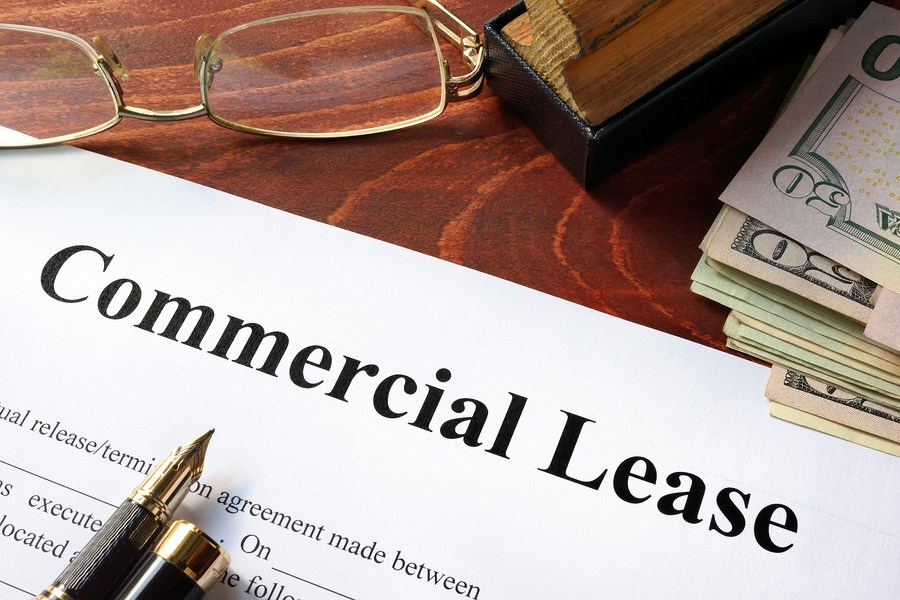
Gaining a Better Understanding of Leases
Leases can, and do, play a significant role in the buying or selling of businesses. It can be easy to overlook the topic of leases when focusing on the higher profile particulars of a business. However, leases are a common feature of many businesses and simply can’t be ignored.
Leases and Working with Your Attorney
Whenever a small business is sold, it is common that leases play a major role. In general, there are three different types of leasing arrangements. (If you have any questions about your lease, then you should consult with your attorney. Please note that the advice contained in this article shouldn’t be used as legal advice.)
Three Different Lease Options
In the next section, we will examine three of the most common types of leases. The sub-lease, new lease and assignment of lease all function in different ways. It is important to note that each of these three classes of leases can have differing complicating factors, which again underscores the value and importance of working with an attorney.
The Sub-Lease
The sub-lease, just as the name indicates, is a lease inside of a lease. Sellers are often permitted to sub-lease a property, which means that the seller serves as the landlord. It is key to note, however, that the initial landlord still has a binding agreement with the seller. Sub-leasing requires the permission of the initial landlord.
New Lease
If the previous lease on a property expires or is in need of significant change, a new lease is created. When creating a new lease, the buyer works directly with the landlord and terms are negotiated. It is customary to have an attorney draft the new lease.
Assignment of Lease
Assigning a lease is the most common type of lease used when selling a business. The assignment of a lease provides the buyer with use of the premises where the business currently exists; this works by having the seller “assign” all rights of the lease to the buyer. Once the assignment takes place, the business’s seller typically has no further rights. Also, it is common that the landlord will have wording in the contract that states the seller is still responsible for any part that the buyer doesn’t perform as expected.
Disclose All Lease Issues at the Beginning of the Sales Process
No one likes surprises. If there is a problem with your lease, then this is something that should be disclosed in the beginning of the sales process. Not having a stable place to locate your business can be a major problem and one that should usually be addressed before a business is placed for sale. Buyers don’t like instability and unknowns. Not having a firm location is definitely an issue that must be resolved.
Buyers want to see that you have made their transition from buyer to owner/operator as easy as possible. Providing clarity of issues, such as leasing, will help you attract a buyer and keep a buyer. Regardless of whether it is dealing with leasing issues or other key issues involved in buying or selling a business, working with a business broker can help you streamline the process and achieve optimal results.
Copyright: Business Brokerage Press, Inc.
Read More
What is Really in the Mind of Your Buyer?
It is always important to try and put yourself “in the other person’s shoes.” This fact is of paramount importance when dealing with prospective buyers. Thinking like a prospective buyer could, in fact, be the difference between selling your business and not selling your business. Yet, it is important to continue to put yourself in your buyer’s shoes during the entire sales process.
It is easy to think that because everything is going smoothly with the sale of your business, the tough part is behind you. That may be true, but then again there could still be problems ahead. Issues can come up at a moment’s notice when either your prospective buyer or his or her advisor raises a red flag. Additionally, the larger the business, the greater the complexity. This translates to the greater the risk of problems arising.
The “Little Things” that Could End Up Quite Big
Financial statements are of considerable importance. Quite often you’ll see contingencies regarding financial statements and/or business tax returns, so be ready and be organized. Lease issues is another common category for contingencies. Falling under the lease issue umbrella are topics such as whether or not the seller has agreed to stay on, or issues regarding the property or needs associated with the property if it is a rental.
Other common contingencies can include issues arising from equipment and fixtures that are being included with the sale. These are areas that could be easy to overlook, but they can serve to throw a major wrench into the workings of a deal. The so-called “little things” can cause a deal to fall apart.
3 Key Steps for Preventing Disruptions from Contingencies
Step One – Create a Comprehensive List
One easy move you can make to prevent disruptions from contingencies is to make a list of all FF&E or furniture as well as fixtures, equipment or any other items that could be included with the sale. If an item is not included be sure to remove it entirely.
Likewise, if an item is inoperable then repair it ahead of time. Or at the bare minimum, you could make a list of items that are currently inoperable and include those items in your list. Remember, you don’t want a last-minute surprise or misunderstanding to jeopardize your sale.
Step Two – Check Your Leases
Problems with leases can send deals spiraling out of control. It is a prudent investment of your time to look at things like your leases. You’ll want to make certain that there are no issues that could be viewed as problematic. If there are issues, then it is in the best interest of the deal that you disclose this information at the start of any deal. After all, you don’t want to waste anyone’s time, including your own.
Step Three – Predict Questions and Have Answers Ready
The time you invest in predicting potential questions and having the answers to those questions ready is time very well spent. You’ll look prepared and that helps build trust.
Be ready to answer questions that are likely to arise such as are you going to stay on with the business for a given period of time and what will be the cost, if any, of you doing so? What about employees staying on? Are there legal issues that should be considered? Being able to answer these kinds of questions is a prudent step.
Considering the needs of your prospective buyer will help you make a sale. In selling a business, there is no replacement for being organized and prepared.
Copyright: Business Brokerage Press, Inc.
Read More
Be a Winning Seller: Good Negotiation is the Key
You’ve made the big decision to put your business on the market. Your reasons for selling are valid, carefully considered, and “good” – the kind that won’t make a prospective buyer shy away. Now, you may tell yourself, comes the fun part. You’ll come up with a price – maybe a little high, but why not? – and let gut instinct (an attribute common to successful business owners) lead the way.
Table of Contents:
Wait just a minute. Or maybe a quarter of an hour; however long it takes you to bone up on your negotiation skills with the following steps as a guide. Being a smart negotiator is tantamount to effecting the successful sale of your business.
Gather Your Forces
The first step is to engage the help of a business broker professional. He or she understands the sales negotiation process as well as tactics for marketing the business. Before sitting down with your business broker, however, you should gather the following information: profit and loss statements (for three years), current federal income tax returns, a list of fixtures and equipment, copies of equipment leases (if any), the lease and any lease-related documents, a copy of your franchise agreement (if applicable), lists of loans (if applicable), with amounts and payment schedule, an approximate tally of inventory on hand, and the names of any outside advisors (attorney, accountant, etc.) you plan to consult.
Be Market-Smart
It’s vital to have a clear and realistic notion about the value of your business. Pricing your business intelligently is as important as impressive financial records. Your business broker will apply industry-tested valuation methods, including ratios based on the sales of similar businesses, as well as the historical data that most closely matches your type of business. He or she will also incorporate intangibles to insure that the business will not be underpriced. At the same time, your broker will make sure you understand how the price is dictated by the marketplace and that realistic pricing is an absolute must. Most buyers won’t wait for an outsized price to drop – they will just go somewhere else.
Know Your Buyer
Finding the right buyer may be more important than getting that extra-high asking price. Your business broker will determine the right buyer for the right business, focusing on those prospects who are financially qualified and are genuinely interested in your type of business. It’s important also to know something about the bargaining power of the buyer and to discover early on how he or she plans to finance the purchase of your business. Your business broker will do that and more: he or she will anticipate the buyer’s concerns and counsel you about being up-front about any problems that might make a buyer suspicious and therefore unnecessarily adversarial during the negotiation process. Steeped in knowledge about negotiating price, terms and other vital aspects of the sale, the broker will guide you each step of the way. During the early stages, while the buyer is still considering making an offer, the broker is the ideal person to follow up and keep the deal running smoothly. Working alone, you could lose bargaining effectiveness by doing the follow-up yourself. And, in general, having someone else negotiate on your behalf is the smartest way to go. The “middle man” can get your thoughts across, keeping you at a distance from the words themselves.
Be Flexible
In negotiating the sale of your business, you need to keep the ball rolling once an offer has been presented. Study it closely, and don’t automatically despair. Just because you didn’t get your asking price doesn’t mean that the offer has nothing to commend it. It may have other points to offset what you feel is a low figure, such as – if the deal is to be seller-financed – higher payments or interest, a consulting agreement, more cash than you anticipated, or the promise of a buyer relationship that will make life easier. In evaluating an offer, take the long view and look for the ways in which the offer just might accomplish your objectives. Above all, don’t think in terms of “punishing” the buyer because of a low offer. This is the worst reason for rejecting an offer – and certainly a self-defeating one for you.
Beef Up Bargaining Power
The best negotiating weapon is to have options available. For the seller, the mightiest one is a lack of desperation. With any luck, you have not waited too long to sell and your business is sound. Carry this a step further: be sure, in preparing to sell, that you don’t let the business slip. It’s important that prospective buyers see your business at its best – bustling, and showing no signs of neglect. You should, for example, keep normal operating hours, repair signage and other first-impression areas of the business, repair or remove non-operating equipment, remove items not included in the sale, and maintain inventory at constant levels. Make it obvious that you have not been forced to sell, and that – if necessary – you could refuse all offers and carry on the operation of your business. This may be the last thing you want to do, having made the hard decision to sell, but the buyer won’t know that.
Master the Art of Good Timing
Timing is crucial to the successful sale of a business. Any deal has a shelf life, and it will go stale if it sits around too long. On the other hand, sometimes ideas need extra time to jell – and people sometimes need a little time and space to be more objective about their own positions. Your business broker will keep the process moving at the proper pace. He or she will also provide or offer advice about the specialized contracts and forms necessary for the completion of the sale.
In negotiating the sale process, you will benefit many times over from the guidance of a business broker professional. The business broker represents you, the seller, and works toward completing the transaction in a reasonable amount of time and at a price and terms acceptable to you. The broker will also present and assess offers and, at the appropriate juncture, he or she can help in structuring the sale and negotiating its successful close – helping to create a win-win situation for everyone involved.

Points to Ponder for Sellers
Who best understands my business?
When interviewing intermediaries to represent the sale of your firm, it is important that you discuss your decision process for selecting one. Without this discussion, an intermediary can’t respond to a prospective seller’s concerns.
Are there any potential buyers?
When dealing with intermediaries, it always helps to reveal any possible buyer, an individual or a company, that has shown an interest in the business for sale. Regardless of how far in the past the interest was expressed, all possible buyers should be contacted now that your company is available for acquisition. People who have inquired about your company are certainly top prospects.
Lack of communication?
It is critical that communication between the seller, or his or her designee, and the intermediary involved in the sale, be handled promptly. Calls should be taken by both sides. If either side is busy or out of the office, the call should be returned as quickly as possible.
Does the offering memorandum have cooperation from both sides?
This document must be as complete as possible, and some of the important sections require careful input from the seller. For example: an analysis of the competition; the company’s competitive advantages – and shortcomings; how the company can be grown and such issues as pending lawsuits and environmental, if any.
Where are the financials?
It may be easy for a seller to provide last year’s financials, but that’s just a beginning. Five years, plus current interim statements and at least one year’s projections are necessary. In addition, the current statement should be audited; although this usually presents a problem for smaller firms — better to do it now than later.
Are the attorneys deal-makers?
In most cases, transaction attorneys from reputable firms do an excellent job. However, occasionally, an attorney for one side or the other becomes a deal-breaker instead of a deal-maker. A sign of this is when an attorney attempts to take over the transaction at an early stage. Sellers, and buyers, have to take note of this and inform their attorney that they want the deal to work – or change to a counsel who is a “team player.”
Intermediaries are responsible for handling what is usually the biggest asset the owner has – and they are proud of what they do. Intermediaries realize that the sale of a business can create the financial security so important to a business owner. Even when a company is in trouble, the intermediary is committed to selling it, since by doing so, jobs will be saved – and the business salvaged.

What Should Be in Your Partnership Agreement
Partnership agreements are essential business documents, the importance of which is difficult to overstate. No matter whether your business partner is essentially a stranger or a lifelong friend, it is prudent to have a written partnership agreement.
A good partnership agreement clearly outlines all rights and responsibilities and serves as an essential tool for dealing with fights, disagreements and unforeseen problems. With the right documentation, you can identify and eliminate a wide range of potential headaches and problems before your business even starts.
Determining the Share of Profits, Regular Draw, Contributing Cash and More
Partnership agreements will also outline the share of profits that each partner takes. Other important issues that a partnership agreement should address is determining whether or not each partner gets a regular draw. Invest considerable time to the part of the partnership agreement that outlines how money is to be distributed, as this is an area where a lot of conflict occurs.
The issue of who is contributing cash and services in order to get the business operational should also be addressed in the partnership agreement. Likewise, the percentage that each partner receives should be clearly indicated.
Partnership Agreements Outline and Prevent Potential Problem Areas
Another area of frequent problems is in the realm of who makes business decisions. Here are just a few of the types of questions that must be answered:
- Are business decisions made by a unanimous vote or a majority vote?
- What must take place in order to consider new partners?
- Who will be handling managerial work?
- How will the business continue and what changes will occur in the event of a death?
- At what stage would you have to go to court if a conflict cannot be resolved within the framework of your partnership agreement?
You might just want to get your business running as soon as possible, but not addressing these issues in the beginning could spell disaster down the road.
The Uniform Partnership Act
One option to consider, which is offered in all states except Louisiana, is the Uniform Partnership Act or UPA. The UPA covers all the legal regulations that specifically apply to partnerships.
Reduce Conflict Via a Partnership Agreement
Forming a partnership can be great way to launch a new business, but it is also important to keep in mind that no matter how exciting the process may be it is still a business. New businesses face an array of challenges, and the last thing any new business needs is internal disruption. Mapping out via a partnership agreement the duties and expectations of all partners is an easy and logical way to reduce internal conflict within the business so that you can stay focused on building the business and making money!
Copyright: Business Brokerage Press, Inc.
Read More
Should You Become a Business Owner?
While being a business owner may in the end not be for everyone, there is no denying the great rewards that come to business owners. So should you buy a business of your own? Let’s take a moment and outline the diverse benefits of owning a business and help you decide whether or not this path is right for you.
Do You Want More Control?
A key reason that so many business savvy people opt for owning a business is that it offers a high level of control. In particular, business owners are in control of their own destiny. If you have ever wished that you had more control over your life and decisions, then owning a business or franchise may be for you.
Owning a business allows you to chart your own course. You can hire employees to reduce your workload once the business is successful and, in the process, free up time to spend doing whatever you like. This is something that you can never hope to achieve working for someone else; after all, you can’t outsource a job.
Keep in mind that when you own a business or franchise, you never have to worry about being downsized or having your job outsourced. You also don’t have to worry about asking for a raise. No doubt business owners do have to contend with market forces and unexpected turns. But even considering those factors, business owners clearly enjoy a greater level of control over their destiny.
Are You Willing to Forgo Benefits?
As an employee, you’ll usually be able to count on a regular income and even allowances for sick days and vacation days. However, business owners lose money if they are sick or take a vacation. Plus, they won’t necessary have the steady salary that employees receive as they could see their income vary from one month to the next.
Do You Want to Grow Your Income?
Business owners have the potential to grow their income and take a range of proactive steps that lead to income growth. As an employee, your fate is far different. Employees usually exercise either minimal or no control over the course of a business and have no say in key decisions that impact its growth and stability. Being a business owner by contrast allows you to seize that control.
The amount of income made by business owners varies widely depending on everything from the industry to the region. But statistics show that the longer you own your business the more you’ll make. In fact, those who have owned their businesses for greater than 10 years tend to earn upwards of 6 figures per year.
One of the best ways to determine whether or not being a business owner is right for you is to work with a business broker. A broker understands everything that goes into owning a business and can help you determine whether or not you have the mindset to set out on the path towards business ownership.
Copyright: Business Brokerage Press, Inc.
Read More
Three Overlooked Areas to Investigate Before Buying
Before you jump in and buy any business, you’ll want to do your due diligence. Buying a business is no time to make assumptions or simply wing it. The only prudent course is to carefully investigate any business before buying, as the consequences of not doing so can in fact be rather dire. Let’s take a quick look at the three top overlooked areas to investigate before signing on the dotted line and buying a business.
1. Retirement Plans
Many buyers forget all about retirement plans when investigating a business prior to purchase. However, a failure to examine what regulations have been put into place could spell out disaster. For this reason, you’ll want to make certain that the business’s qualified and non-qualified retirement plans are up to date with the Department of Labor. There can be many surprises when you buy a business, but this is one you want to avoid.
2. 1099’s and W-2’s
Just as many prospective buyers fail to investigate the retirement plan of a business, the same is often true concerning 1099’s and W-2’s. In short, you’ll want to be sure that if 1099’s have been given out instead of W-2’s that it has been always done within existing IRS parameters. There is no reason to buy a business only to discover a headache with the IRS.
And speaking of employees, does the business you are interested in buying have employee handbooks? If so, you’ll want to make sure you review it carefully.
3. All Legal Documents
The simple fact is that you never want the business you are interested in buying to have its corporate veil pierced once you take over. You should carefully review all trademarks, copyrights and other areas of intellectual property to be sure that everything is completely in order. You’ll want to obtain copies of all consulting agreements, documents involving inventions as well as intellectual property assignments.
Everything should be protected and on legally sound footing. If you see any problems in this category you should run for the hills and find another business to buy.
Protect Yourself from a Potential Lifetime of Regret
Evaluating overlooked areas is essential in protecting your investment. For most people, the purchase of a business is the largest of his or her lifetime. It leaves little room for error.
Not only is it vital to investigate the major areas, but it is also essential to explore the smaller details. However, the truth of the matter is that when you’re buying a business there are no “small details.” No one realizes this fact more so than business brokers. Business brokers are experts in what it takes to buy and sell businesses. Working with a business broker is a significant move in the right direction. The time you invest in properly exploring and evaluating a business is time well spent and may literally save you from a lifetime of regret.
Copyright: Business Brokerage Press, Inc.
Langstrup Photography/BigStock.com
Read More