



How Retail Businesses Can Stand Out in Canada’s Competitive Market
The retail industry in Canada is changing rapidly. Retail Businesses must today do more than just provide high-quality products. They must set themselves apart to survive and prosper. It is all because of shifting customer behavior and the digital transformation of shopping experiences. Developing a solid brand and strategy is essential in the following cases:
- Whether you’re starting a new store,
- Expanding an existing one, or
- Even preparing to sell your retail enterprise
In Canada, where there are hundreds of retail establishments, standing out is not just a goal but also a need. Whether you’re currently expanding or getting your retail business for sale, this blog examines four powerful strategies to enhance your visibility. You can also learn how to draw in more clients and boost long-term profitability.
Table of Contents:
- 1. Craft A Unique In-Store And Online Experience
- 2. Leverage Local SEO And Digital Marketing Tools
- 3. Build A Strong Community Presence
- 4. Stay Ahead With Trend-Responsive Products And Services
- What Makes Retail Businesses In Canada Unique?
- Preparing To Sell Your Retail Business In Canada
- Conclusion
1. Craft A Unique In-Store And Online Experience

The consumer experience has emerged as a crucial distinction for retail businesses in the era of Amazon and fast online satisfaction. Customers want to have a connection to your brand, not just a product. This holds true for both online and physical retail establishments.
Create a memorable store by adding:
- Customers can interact with products through interactive product displays.
- Workshops, tastings, and demonstrations are held within the store
- Product guides or online virtual consultations for online visitors
For retail businesses in Canada, the shopping experience must also reflect local culture and preferences. Think about supporting local artists or taking part in Canadian festivities. These minor details provide sentimental value and foster client loyalty.
A devoted clientele and an exceptional shopping experience will make selling a retail business in Canada more appealing to prospective buyers and business brokers if you’re thinking about selling.
2. Leverage Local SEO And Digital Marketing Tools
Even for retail firms with a local focus, having a digital presence is revolutionary. Before making a purchase, almost 80% of Canadians conduct online research. Make sure you’re visible in localized searches by optimizing your local SEO to leave your mark.
Here are some tips for improving your local digital strategy:
- Take control of your Google Business Profile and make it better.
- Use keywords unique to Canada in the content of your website, such as “pet supplies Calgary” or “organic skincare in Toronto.
- Encourage reviews and comments from local customers.
- Make use of geo-targeted hashtags on social media sites like Instagram and TikTok.
This is particularly important for those listing retail businesses for sale. A strong online presence facilitates the transfer for new owners by demonstrating professionalism and preparedness.
3. Build A Strong Community Presence
In Canada, a lot of prosperous retail companies stand out for their community service. Your reputation can be greatly enhanced by supporting neighborhood events, sponsoring young sports teams, or contributing to local organizations.
Businesses that share their values or give back are frequently preferred by Canadian customers. Among the methods to participate are:
- Collaborating with nearby nonprofits or charities
- Organizing “Shop Local” markets or events
- Giving elderly or community workers exclusive discounts
A strong neighborhood presence adds significant value when you’re ready to sell your retail business. Buyers inherit your client relationships and brand reputation in addition to your inventory. Business brokers and potential owners place a high value on these intangible assets.
4. Stay Ahead With Trend-Responsive Products And Services
Keeping abreast of customer trends is one of the most effective methods for retail operations to remain relevant. Consumers in Canada are becoming more interested in tech-enabled shopping, health-conscious products, and sustainability. Your products will continue to be in demand if you adjust to these trends.
Retailers ought to think about:
- Keeping Canadian-made or environmentally friendly goods in stock
- Providing click-and-collect and delivery services
- delivering individualized client experiences via loyalty plans or applications
Adapting your brand identity is not the same as being trend-aware. Rather, it’s about demonstrating to them that you’re changing to meet their demands. If you’re thinking about selling your retail company in Canada, showcasing your creativity and flexibility will make your business seem more enticing and prepared for the future.
What Makes Retail Businesses In Canada Unique?

Quality, openness, and a customized purchasing experience are important to Canadian customers. Local retail establishments that uphold these principles frequently have devoted clientele, whether they are located in a small Nova Scotian village or downtown Vancouver.
Furthermore, a variety of successful independent retailers and big chains are supported by the Canadian retail landscape. Small to medium-sized retail businesses for sale frequently draw interest from enterprising purchasers in this thriving industry, particularly when they are well-positioned with contemporary operations and powerful branding.
When it comes time to sell your retail businesses, working with business brokers that are aware of regional differences can make all the difference. Based on buyer expectations and location-specific data, they can direct pricing, marketing, and negotiations
Preparing To Sell Your Retail Business In Canada
Transferring ownership could be the next step if standing out has aided in the expansion of your company. Now can be the ideal time to sell your retail business, regardless of whether you’re retiring or pursuing new endeavors. This is how to get ready:
- Evaluate Your Money: Make sure the records are current and clean. One of the main selling points is profitability.
- Record business processes: The business strategies include such as supplier chains, customer service protocols, and employee training.
- Emphasize Your Unique Selling Points: Highlight your company’s distinctive features, such as a devoted clientele, a powerful brand, or a prominent location.
- Collaborate with Reliable Business Brokers: Skilled business brokers can streamline the selling process and put you in touch with pre-screened purchasers.
Selling your retail business in Canada becomes much easier if you position your company correctly and work with the proper experts.

Conclusion:
In order to succeed as a retail business in Canada, you need to be creative, strategic, and have a thorough awareness of your neighborhood and clients. The secret is to be true to yourself while always changing, whether that means developing distinctive in-store experiences or making the most of your web presence.
For those thinking about a potential exit strategy, keep in mind that when offering retail enterprises for sale, having a modern operation, good branding, and community roots are crucial. To guarantee that your efforts today result in the highest possible profits tomorrow, get in touch with business brokers as soon as possible.
These four tactics can help you succeed in a competitive Canadian market, regardless of whether you’re just starting or preparing to sell your retail business.
Read More
6 Great Tips for Selling Your IT Services Business
These days, nearly everything is just a click away—whether you’re searching for accommodation, education, or even a life partner, the Internet has it all. With information more accessible than ever, the information technology sector has experienced explosive growth, making it one of the most lucrative industries today.
Table of Contents:
- How to Sell IT Services in Ontario?
- The First Step Before Sales of IT Services for Small Businesses in Canada Is:
- The Next Steps Involved in Determining the Correct Way to Best Sell IT Services Are:
- Some Added Special Strategies for Selling Your IT Services Business:
- How to Increase Your Brand Value When Considering It Business for Sale?
Are you an entrepreneur with expertise in IT? Have you built a successful business and are now exploring your options for selling it? If you’re looking for the best way to sell your IT services company and get a great deal, you’re in the right place.
Our platform specializes in helping business owners like you navigate the sale process with confidence. Keep reading to discover how to sell your IT business the right way—and maximize your return.
How to Sell IT Services in Ontario?

There are several key steps to prepare a business for sale. The key aspects are:
- Financial Review
- Business Optimization
- Legal and Tax Planning
- Prepare the Company Overview
- Identify the Correct Buyer
- Marketing
The first step is to ensure your business is financially sound and presented in a way that appeals to potential buyers—feeling overwhelmed by the process? That’s completely normal. One of the smartest moves you can make is to partner with a professional business broker. They’ll guide you through every detail—from financial preparation to marketing your business, making the entire process smoother and more effective.
A detailed breakdown of things to do before finalizing the deal is given below:-
The First Step Before Sales of IT Services for Small Businesses in Canada Is:
Do the following analysis:
- Financial Health: As the first step, ensure that you show a strong profit. These steps include managing debt, accounts receivable, and cash flow.
- Documentation: Arrange all the required documents, which include the customer list, contractual details, and other relevant information.
- Legal Review: Above all, get in touch with your legal counsel and understand all the legal implications of selling a business and ensure compliance.
- Intangible Assets: Additionally, evaluate the assets of your brand. Do this in the same vein as analyzing the financial health of your firm.
In summary, by following the steps outlined above, you’ll gain a clear, strategic view of how to prepare your IT services business for a successful and profitable sale. Ready to sell your IT business? Use these tips as your guide—and take the first step toward closing the right deal.
The Next Steps Involved in Determining the Correct Way to Best Sell IT Services Are:

Conduct A Business Valuation
Before selling your IT services business, it’s essential to determine its true market value. Here are three common valuation methods to guide you:
- Revenue-Based Valuation: Calculate your average annual revenue and apply an industry-specific multiplier to estimate the business’s worth.
- Profit-Based Valuation: Analyze your profit margins and assess whether those profits are sustainable over the long term. A consistent, growing profit stream increases buyer confidence.
- Customer-Based Valuation: Evaluate the size, quality, and value of your client base. A strong, loyal customer base adds significant value and signals stability to potential buyers.
Other Key Considerations:
- Timing: The ideal time to sell is when your business is thriving. A growing, profitable business commands higher offers and more buyer interest.
- Owner Involvement: Be prepared to assist with the transition. If you plan to stay on in a consulting role, this can ease the handover and make your business more attractive to buyers.
- Tax Planning: Consult with a tax advisor to understand the financial implications of the sale. Proper planning can help you minimize liabilities and maximize your return.
By taking these steps, you’ll position yourself—and your business—for a smooth and profitable sale.
Some Added Special Strategies for Selling Your IT Services Business:
- Adopt a Consultative Selling Approach
Focus on understanding each potential buyer’s unique needs and goals. By offering tailored solutions and insights, you’ll build trust and position your business as a valuable opportunity. - Leverage LinkedIn
Use LinkedIn to expand your professional network and connect with potential buyers, investors, and industry experts. A strong online presence can significantly enhance your reach and credibility. - Attend Industry Events
Participate in conferences, seminars, and trade shows to showcase your expertise and stay current with market trends. These events are also excellent opportunities to build meaningful relationships and generate interest in your business.
How to Increase Your Brand Value When Considering IT Business for Sale?

Strengthen Your Online Presence
Ensure your website is fully optimized and conduct performance analysis across key platforms like Facebook, Twitter, Quora, and Reddit. Understanding how your business ranks online helps you make informed improvements and increases visibility to potential buyers.
Implement Lead Generation Strategies
Use effective lead generation tactics—such as outbound marketing, email campaigns, and targeted outreach—to attract new clients and boost your business’s appeal to buyers.
Leverage Networking and Referrals
Build strong relationships by actively networking with current clients and industry peers. Referrals and word-of-mouth connections can lead to valuable new opportunities and enhance your business’s reputation.
By applying these strategies, you’ll be well-positioned to maximize the value of your sale. Need help navigating the process? Our team is here to support you every step of the way. Selling your IT services business doesn’t have to be complicated—follow these proven tips to achieve the best possible outcome.
Read More
How to Sell Your Distribution Business for Maximum Value
In today’s globalized economy, Canada imports a wide range of goods from around the world—making distribution businesses a highly profitable sector.
Why are distribution businesses so popular?
- No specialized knowledge required
- Low barriers to entry
- Minimal investment, high return potential
Table of Contents:
- Types of Distribution Businesses
- The Distribution Business in Canada Comprises Many Things:
- To Achieve the Highest Possible Return, Keep These Strategic Steps in Mind:
- How to Assess a Distribution Business for Sale in Canada
- Preparing for the Sale
- How to Accurately Determine the Value of Your Distribution Business
Types of Distribution Businesses
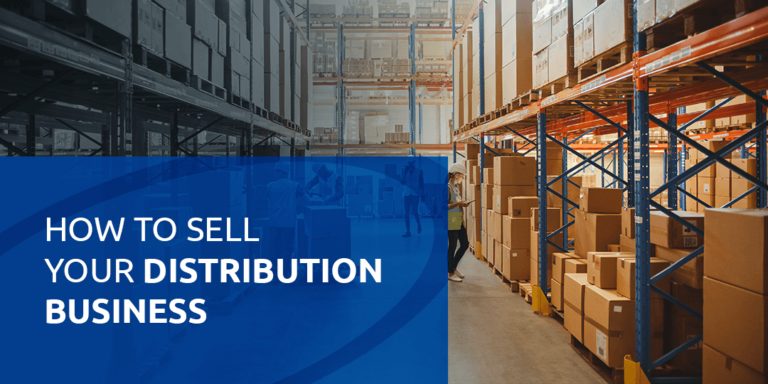
- Retail Distributors: These businesses sell products directly to consumers, often through brick-and-mortar stores or online platforms.
- Wholesale Distributors: They supply goods to retailers or other businesses and are typically located in urban centers.
- Direct Channel Distributors: These distributors bypass intermediaries to sell directly to consumers, similar to wholesale models but with a customer-facing focus.
- Indirect Channel Distributors: These use intermediaries—like agents or brokers—to deliver products to the end user. This is another widely used and effective distribution model.
Are you running a distribution business? Thinking of selling? Want to maximize your profit?
Keep reading to discover how to sell your distribution business for top dollar.
The Distribution Business in Canada Comprises Many Things:

- Warehousing: Store products in a centralized, strategic location—ideally close to the final delivery point. This helps minimize transit time and streamline fulfillment.
- Inventory Management: Maintain optimal stock levels to prevent shortages or overstock. Effective inventory control ensures smooth operations and satisfied customers.
- Transportation: Coordinate the movement of goods from suppliers to warehouses and retailers, or directly to end customers. Reliable logistics are essential.
- Order Processing: Efficiently manage customer orders—from receipt to fulfillment. Fast, accurate processing builds trust and drives repeat business.
- Shipping and Delivery: Ensure timely and accurate delivery to customers or retailers. Speed and reliability are key differentiators in a competitive market.
- Return Management: Handle product returns and exchanges with professionalism. A smooth returns process enhances customer satisfaction and brand loyalty.
- Customer Service: Provide responsive, knowledgeable support for all stakeholders. Most customer service inquiries relate to shipping, order status, and supply chain concerns.
- Relationship Building: Foster strong, long-term partnerships with retailers, suppliers, and logistics providers. Solid relationships are the backbone of distribution success.
- Financing: Manage cash flow and credit effectively. Financial stability allows for growth, timely payments, and operational flexibility.
To Achieve the Highest Possible Return, Keep These Strategic Steps in Mind:
- Assess Your Strengths and Weaknesses: Gain a clear understanding of what sets your business apart and areas for improvement. This will help you present a realistic and compelling case to buyers.
- Identify Your Target Buyer: Know who your ideal buyer is. Are you targeting industry players, investors, or entrepreneurs? Tailor your messaging to align with their interests and priorities.
- Determine the True Value of Your Business: Conduct a professional valuation to establish an accurate market value. Consider
financial performance, growth potential, customer base, operational efficiency, and market trends.
How to Assess a Distribution Business for Sale in Canada

A detailed guide to preparing your business for a successful sale
Before listing your distribution business for sale, it’s crucial to evaluate its key assets and position in the market. Here are the essential steps:
- Evaluate Your Product Line: Ensure you have a clearly defined and market-relevant product offering. A strong product line is one of your most valuable assets. Conduct thorough market research to understand current demand, competition, and opportunities for future growth.
- Analyze Your Customer Base: Your customer base is arguably your greatest asset. Assess customer demographics, loyalty, and retention rates. Strengthen relationships and maintain high satisfaction levels to enhance the perceived value of your business.
- Review Existing Contracts: Examine all supplier agreements and contracts. Are they favourable? Can they be transferred to a new owner? Buyers will be particularly interested in secure, long-term supplier relationships that provide operational stability.
Preparing for the Sale
- Identify Potential Buyers: Understand what type of buyer your business will attract—industry operators, investors, or entrepreneurs. Tailor your marketing strategy to speak directly to their motivations and goals.
- Study Market Trends: Stay informed about industry shifts such as the rise of e-commerce, evolving consumer behavior, and changes in supply chain logistics. Demonstrating awareness and adaptability to these trends makes your business more appealing to buyers.
Taking the time to thoroughly assess these factors can significantly boost your business’s value and increase your chances of a successful sale.
How to Accurately Determine the Value of Your Distribution Business
Valuing your distribution business correctly is critical to attracting serious buyers and maximizing your return. Here’s how to do it right:
- Revenue and Profitability: Provide accurate and detailed financial data, including revenue, gross profit, and net profit. Assess both current performance and future earning potential. This is essential for demonstrating the financial health and sustainability of your business.
- Market Valuation: Analyze current market conditions and comparable business sales to determine your fair market value. Understanding industry benchmarks will help you price your business competitively and realistically.
- Intangible Assets: Don’t overlook intangible assets—such as brand reputation, customer loyalty, proprietary systems, or supplier relationships. These unseen elements can significantly influence the overall value of your business.
- Marketing and Sales Positioning: Create a compelling business profile that highlights your strengths. Support it with a professional website, clear financials, and a valuation report. A well-presented business stands out to potential buyers and gives you a competitive edge.
- Networking and Relationship Building: Leverage your network to identify potential buyers. Reach out to industry associations, business brokers, and professional contacts. These relationships can be instrumental in finding the right buyer and closing the deal faster.
- Legal and Regulatory Compliance: Ensure your business complies with all applicable laws, especially in areas like distribution, sales, and employment. Work closely with legal counsel to protect your interests and avoid any obstacles during the sale process.

How to Sell A Construction Business: The Complete Guide
Selling a construction business requires careful planning, accurate valuation, and strategic marketing to attract serious, qualified buyers. Start by organizing your financial records and addressing any outstanding legal or operational issues – doing so early will help avoid delays later in the process.
Table of Contents:
A professional business valuation will help you determine a fair market price by factoring in your assets, profitability, and goodwill. Whether you’re selling independently or through a business broker, it’s essential to keep the sale confidential and communicate clearly throughout.
Once you’ve found a qualified buyer, negotiate the terms of the sale, including payment structure and transition support, with the guidance of a business broker or legal professional. Conduct thorough due diligence and finalize the transaction with proper legal documentation to ensure a smooth and successful exit.
What Is the Right Time to Sell a Construction Business?

The best time to sell a construction business is when your company is performing well and market conditions are favorable. In simple terms, your business should demonstrate consistent profitability, a strong pipeline of projects, and a clear, well-documented operational structure. When your business is at its peak, it’s easier to attract serious buyers who are willing to pay a premium for a stable, low-risk investment.
Timing also means being aware of external factors – avoid selling during periods of regulatory uncertainty or economic downturns that could negatively impact buyer confidence or valuation.
Whether you’re listing construction businesses for sale in Ontario or targeting buyers in Toronto specifically, your personal readiness is just as important. Ask yourself: Are you prepared to retire or pursue your next venture? Do you have a clear exit strategy in place?
Ultimately, aligning market, business, and personal timing is key to achieving a smooth, profitable sale.
How to Value Your Construction Business?
Valuing a construction business goes far beyond simply looking at past profits. It requires a comprehensive analysis of several key factors, including market conditions, income-based approaches, and asset value. Start by assessing your tangible assets – such as equipment, tools, and real estate. From there, review your company’s financial performance, earnings history, customer base, and brand reputation.
One of the most common questions sellers ask is, “How do I value my construction company?” While online calculators or generic formulas might offer rough estimates, an accurate valuation requires the expertise of a professional broker or advisor – ideally one with experience in selling construction businesses.
A seasoned expert will evaluate crucial metrics like cash flow, the value of existing contracts, and industry benchmarks. They’ll also compare your performance to similar businesses for sale in your region, such as other construction companies for sale in Toronto, to help position your business competitively.
With the right professional support, you’ll gain a clear understanding of your business’s worth – and be better prepared to attract serious buyers.
Why Do You Need Help Selling a Construction Business?
Selling a construction business can be complex, especially if your goal is to maximize value and achieve a profitable exit. While you’ve successfully built and managed your company, selling a business is a different challenge – one that requires specific expertise.
That’s where a trusted professional comes in. Partnering with an experienced business broker allows you to navigate the sales process smoothly while continuing to focus on day-to-day operations without unnecessary stress or disruption.
A qualified broker with experience in construction business sales understands the steps involved, from valuation to closing. They’ll guide you through key legal, financial, and operational considerations, and help you determine a realistic and competitive market value using more than just a basic valuation calculator. Their knowledge ensures that nothing is overlooked – and that you’re positioned for the best possible outcome.
What Documents Do You Need to Sell a Construction Business?

Compiling the right documents is a crucial first step if you’re preparing to list your construction business for sale in Toronto. Serious buyers want a clear, transparent view of your business’s operations, financial health, and legal standing. Having these materials organized and ready will streamline the process and build trust with potential buyers.
Here are the key documents you’ll need:
- Financial Statements: Include your balance sheet, income statement, and cash flow statement. These documents give buyers a snapshot of your business’s financial performance.
- Tax Returns: Provide at least the last three years of business tax returns to show consistent earnings and compliance.
- Legal Documents: This includes business registration, employee contracts, client agreements, leases, permits, and licenses – everything that legally supports your operations.
- Asset List: Create a detailed inventory of all physical assets – equipment, vehicles, tools, and property – that are part of the sale.
- Customer and Supplier Information: Outline your key customers, contracts, and supplier relationships. Buyers will want to understand the stability and value of these relationships.
Having these documents readily available gives buyers confidence in your business and speeds up the due diligence phase, making for a smoother, more efficient sale.
How to Find Buyers for a Construction Business?

Identifying the right buyer is one of the most important steps in successfully selling your construction business. It’s not just about finding someone who can afford the purchase – it’s about finding someone who understands the industry, sees the value in your business, and has the passion to continue building on what you’ve created. Here are several effective ways to connect with qualified buyers:
- Confidential Listings: Most sellers choose to keep the sale of their business confidential to avoid unsettling employees, customers, or suppliers. A professional construction business broker can help you discreetly list and market your business while maintaining confidentiality.
- Business Brokers: An experienced broker is often the most efficient way to reach serious, pre-qualified buyers. Brokers maintain a network of potential purchasers and can match your business with individuals who are actively looking to acquire a construction company.
- Online Marketplaces: Websites featuring listings like “Construction Business for Sale in Toronto” or “Ontario Construction Businesses for Sale” can help you attract local and industry-specific buyers who are actively searching for opportunities.
- Word of Mouth: Don’t underestimate the power of your personal and professional network. Sometimes, a competitor, supplier, or industry contact may express interest in acquiring your business or refer you to someone who will.
Ultimately, the goal is to find a buyer who not only has the financial capability but also the experience and drive to lead your business into its next chapter.
Conclusion:
For any construction business owner, deciding to sell is a major milestone – one that shouldn’t be rushed. Whether you’re planning to retire or move on to a new venture, the process requires thoughtful preparation, a clear understanding of your business’s value, and the guidance of experienced professionals to ensure a smooth and successful transition.
Read More
Selling to Distributors: 9 Steps for Success
In today’s competitive world of product sales, leveraging distribution networks is one of the most powerful ways to grow your business. Whether you’re launching a new product or expanding into new markets, working with distributors can open the door to opportunities that aren’t available through direct-to-consumer channels alone.
Table of Contents:
- 1. Understand the Distributor’s Role:
- 2. Identify Your Ideal Distribution Partner:
- 3. Prepare a Strong Product Offering:
- 4. Clear Sales Support Plan:
- 5. Protect Your Brand with a Distribution Agreement:
- 6. Start Local, Then Scale:
- 7. Monitor Performance:
- 8. Plan for the Future:
- 9. Prepare Your Business to Sell:
- Conclusion:
- Consider Expanding or Selling Your Distribution Business?
For entrepreneurs, especially those considering listing their distribution business for sale, understanding how to effectively sell to distributors is essential. In this blog, we’ll walk you through 9 key steps to successfully selling your products through distribution channels.
1. Understand the Distributor’s Role:
Before you begin selling to distributors, it’s crucial to understand their role. Distributors act as intermediaries between manufacturers and retailers. Typically, they purchase products in bulk, store them, and then sell them to end-users. By gaining insight into their challenges, such as inventory costs, return risks, and sales pressures, you can identify opportunities to offer them a competitive advantage they might not have. This understanding will help you build stronger, more mutually beneficial relationships with your distributors.
2. Identify Your Ideal Distribution Partner:
Not all distributors are created equal, so it’s essential to work with those who specialize in your niche. Whether you’re in industrial tools, consumer goods, or health products, aligning with the right distributors is key. If you’re in manufacturing and logistics and considering listing your distribution business for sale in Canada, understanding which type of distributor will see the most value in your offerings is crucial.

Seek out partners with strong networks and solid reputations. If you’re based in Ontario, look for region-specific contacts by searching terms like “distribution business for sale Ontario by owner” to identify active market players.
3. Prepare a Strong Product Offering:
Distributors won’t be interested in just any product – they’re looking for items with strong market demand, competitive margins, and a reliable supply chain. Profitability and security are key drivers in their decisions. To make your offering stand out, ensure you have a clear pricing structure, detailed product specifications, compliance documents, and strong marketing materials or proof of performance.
A well-organized catalog and comprehensive documentation of your product line not only adds significant value to your business but also makes your industrial distribution company much more appealing to potential investors or buyers.
4. Clear Sales Support Plan:
Distributors don’t just purchase products – they’re seeking a strong, ongoing partnership with the seller. After-sales support, such as sales training and strategies to boost product performance in the market, is essential. To foster this relationship, provide support through promotional campaigns, product samples, and technical assistance.
For those planning to list their Industrial Distribution Business for Sale in Canada, this becomes even more critical. Potential buyers are looking for reassurance that existing business relationships are stable and that robust support systems are already in place.
5. Protect Your Brand with a Distribution Agreement:
Before agreeing with a distributor, it’s essential to have a legally binding distribution contract in place. This contract clearly outlines key terms such as territorial rights, minimum purchase obligations, payment terms, and procedures for returns and guarantees.
A well-structured contract not only protects your profit margins but also safeguards your brand. If you’re selling to distributors in Canada, using a standardized contract can help ensure smooth operations and prevent potential headaches down the road.
6. Start Local, Then Scale:
If you’re new to the industry, it’s wise to start with manageable risks. Begin by working with a single distributor in your local area or within your niche market. If you’re based in Ontario and planning to list your distribution business for sale in Canada, take the time to evaluate the performance of similar businesses in the market.
Do they have strong local control? Or do they operate nationally? Understanding these dynamics is crucial before diving in – it will make it easier to scale your distributor relationships both across the country and internationally.
7. Monitor Performance:
Some people treat distribution as a set-it-and-forget-it model, but this approach overlooks the critical question: How is your distributor performing? Are they hitting sales targets? Are customers satisfied? Are they accurately representing your brand? Regularly collect data and gather feedback to ensure you’re selecting the right distributor for sale.
If you have long-term plans for growth, focusing on these key metrics will help you establish performance standards that can significantly increase your business value.
8. Plan for the Future:
Planning for the future is essential, whether you’re just starting with distributors or have been working in the industry for years. It’s never too early to begin preparing, even if you’re considering selling your distribution business years down the line – or planning to sell now. If you’re looking to buy, start by searching terms like “distribution business for sale in Canada” or “Ontario.”
To prepare, ensure your finances are clean, your business is scalable, and you have long-term contracts in place with reliable distributors who hold strong market value. By getting your business sale-ready, you unlock a range of exit strategies, partnership opportunities, and potential acquisitions.
9. Prepare Your Business to Sell:
If you’re considering selling your distribution business, it’s important to think ahead. Keep an organized inventory of your distributor contacts, streamline your product line and sales history, and ensure your customer service is top-notch. Maintain up-to-date legal and business documents so everything is ready for a potential buyer.
You can also search terms like “Distributor for Sale” or “Canada Distribution Business for Sale” to see how others are presenting their businesses. This research will help you understand the market and highlight what makes your business stand out to prospective buyers.
Conclusion:
Selling to distributors is a powerful way to grow your business and set it up for future success. Whether you’re focused on expansion or considering an eventual sale, these nine steps will help guide you. From building strong relationships to getting your business sale-ready, this straightforward plan is designed to position you for long-term success in the distribution industry.
Consider Expanding or Selling Your Distribution Business?
We’re here to make the process simple and effective. Whether you’re looking to start selling to the right distributors or planning to sell your distribution business, Ontario Commercial Group is here to help. Our experienced team will guide you step by step with clear, practical advice tailored to your goals. Let’s connect and explore how we can help you grow your business or prepare it for the ideal buyer. Contact us today to get started!
Read More
Why Do You Need a Business Broker While Selling Your Construction Business?
When you’re preparing to sell your construction business, partnering with a professional broker can make all the difference. A skilled broker will not only help you find the right buyer but also guide you through negotiations, ensure full regulatory compliance, and provide expert due diligence support. They’ll manage all the legal documentation and handle the complexities of the sale, ensuring everything is in order. With their expertise, you can navigate your financials with confidence and maximize the value of your business.
Table of Contents:
Role of Construction Business Broker

- Finding Buyers:
One of the key roles of a Business Broker in Construction is to connect sellers with the right buyers. With access to extensive networks and databases, brokers can quickly identify potential buyers who are not only interested in your business but also have relevant experience in the construction sector. An experienced buyer ensures that your business will be in capable hands, with the expertise needed to continue its success and growth.
- Negotiation and Deal Structuring:
Negotiating the sale of a business is about more than just settling on a price. Brokers play a crucial role in structuring deals that prioritize the seller’s interests. They consider important factors like payment terms, timelines, seller financing, transaction methods, protection clauses, and contingencies. By navigating these complexities, brokers work to create a balanced agreement that meets the needs of both parties while ensuring the best possible outcome for the seller.
- Due Diligence Support:
Due diligence is a critical and meticulous phase in the business sale process, and brokers are key to ensuring it’s completed smoothly and successfully. They assist both parties by thoroughly reviewing financial statements and validating legal documents, such as contracts, leases, and agreements. A Construction Business Broker also evaluates the employee structure and client base. Brokers handle this process with complete transparency, ensuring that all information provided is accurate and reliable. This attention to detail minimizes the risk of surprises for the buyer and safeguards the integrity of the transaction.
- Compliance and Legal Guidelines:
Selling your construction business is a complex process that requires careful attention to legal details. A business broker helps you navigate the necessary documentation and compliance requirements, ensuring everything is in order. This includes verifying proper licensing and certifications, meeting legal requirements and permits, and managing contracts for the sale. By guiding both sellers and buyers through the paperwork, brokers reduce legal risks and ensure the process aligns with industry standards and regulations.
- Marketing and Promoting Sales:
A strong marketing strategy is crucial when selling your construction business, especially when it comes to attracting the right buyers. Connecting with potential buyers effectively requires a thoughtful approach. Utilizing targeted email campaigns, digital ads, and outreach through professional networks and industry contacts can significantly increase your reach. It’s essential to implement confidential marketing strategies to safeguard your business identity throughout the process. By using these methods, you can attract competitive buyers and maximize the value of your business sale.
Reasons for Hiring a Construction Business Broker

If you’re considering selling your construction business in Ontario, there’s value in using a business broker. Here are some of the most important reasons why:
Expert Knowledge
Brokers have in-depth knowledge of the construction industry. They understand how to accurately value your business, what buyers are looking for, and the current market trends. Their expertise ensures you make informed decisions and get the best possible price for your business.
Saves You Time
Selling a business is time-consuming and involves a lot of steps, from identifying potential buyers to handling negotiations and paperwork. A broker takes on the majority of these tasks, allowing you to focus on running your business without the added stress.
Greater Exposure
Brokers have access to a wide network of resources and potential buyers. By marketing your construction business through their established channels, you can increase your company’s visibility, leading to faster offers and better deal terms.
Honest, Unbiased Advice
Selling your business can be an emotional process, as it’s something you’ve built from the ground up. A broker offers objective, professional advice, helping you detach from any emotional attachment. They focus on what’s best for your future, ensuring you make decisions that benefit you in the long run.
Conclusion:

Marketing your Construction Business For Sale can be daunting. There are so many factors to consider, including finding the ideal buyer, dealing with paperwork, negotiating sale prices, and ensuring everything is by the book. That is why having a business broker in your corner can be such a game-changer.
An expert construction company broker knows the business, knows the marketplace, and will take you through the entire procedure. They will introduce you to serious purchasers, negotiate a fair price, and get all the paperwork done while you don’t have to give it another thought. Most of all, they allow you to continue to run your company while they do all of the heavy work.
Read More

How to Successfully Sell Your Distribution Business in Canada
The distribution industry is vital to Canada’s economy, making it a thriving and competitive space for business owners and investors. If you’re a distribution business owner in Ontario considering a sale, whether planning for retirement, looking to capitalize on your success, or simply ready for a new chapter, knowing how to navigate the selling process is essential to achieving a smooth and profitable transaction.
Table of Contents:
In this blog, we will guide you through everything you need to know about selling your distribution business. From preparing your business for sale and attracting qualified buyers to understanding what makes your business stand out in today’s market, we’ve got you covered.
What Is a Distribution Business?
A distribution company ships products from one place to another. You do not manufacture the products; you help deliver them to the customers who need them. For instance, you might go pick something up from a factory and send it to shops, or sell machines and gear to institutions. If you are distributing equipment or machinery to businesses such as factories or construction companies, you are an industrial equipment distributor. Such businesses are very significant and can be very lucrative.

Why Sell Your Distribution Business?
There are so many reasons why owners decide to sell their Distribution businesses, the most common of which are:
- Retirement or lifestyle changes
- Shifting to a new business
- market conditions
- acquisition opportunities from large companies
No matter what the reason is, planning everything strategically can help ensure you get the best outcome.
Understanding the Value of the Distribution Business
The distribution industry plays a vital role in the supply chain, serving as the critical link between manufacturers and retailers or end users. Whether it’s food and beverage distribution or industrial equipment, the sector includes a wide range of specialized niches.
For buyers, distribution businesses are an attractive investment thanks to several key advantages:
- An established customer base
- Consistent, reliable revenue streams
- Valuable relationships with suppliers and vendors
If your business operates within a niche, such as distributing industrial machinery, you may be able to command a premium price. This is especially true if you hold exclusive supplier agreements or cater to a specific, in-demand market.
So, how can you prepare your distribution business for a successful sale? Let’s explore the key steps to get your business ready and make it stand out to serious buyers.
Before you officially put your distribution business on the market, it’s important to get everything in order. Here’s a step-by-step guide to help you prepare for a successful and profitable sale:
1. Organize Your Financial Records
Buyers want transparency and confidence in your numbers. Ensure your financial records are accurate, up-to-date, and easy to understand. Have at least two to three years of financial statements readily available – this includes income statements, balance sheets, and cash flow reports. Clean, well-organized books build trust and can speed up the sales process.
2. Streamline Your Operations
A business that runs smoothly without the owner’s constant involvement is far more attractive to buyers. Document your daily operations, procedures, and workflows. Make sure your team is well-trained and your systems are efficient – this demonstrates stability and reduces perceived risk for potential buyers.
3. Highlight What Makes Your Business Valuable
Do you have exclusive distribution rights, specialized equipment, or long-term contracts with loyal customers? Identify and highlight the key assets that set your business apart. These are the elements that can justify a higher valuation and attract more serious buyers.
4. Define Your Unique Selling Points
What makes your distribution business stand out from the rest? Whether it’s a niche market, strong vendor relationships, or a loyal customer base, make sure to communicate your unique advantages. A buyer will always ask: “Why this business over another?” – so be ready with a compelling answer.
What Buyers Are Looking For?

Most buyers are drawn to distribution businesses that are already running smoothly. They’re looking for consistent revenue, a loyal customer base, and clear potential for future growth. To secure the best possible price, make sure your finances are in order, your operations are streamlined, and you can clearly articulate what sets your business apart.
Keep your marketing simple and searchable – using a headline like “Distribution Business for Sale Ontario” can help serious buyers find you quickly online. If you’ve built solid systems and have a capable team in place, that adds serious value. Buyers are also more inclined to invest when they see opportunities to expand, whether by adding new products, entering new markets, or growing the customer base.
Assist the New Owner in the Transition
Selling your distribution business doesn’t end with signing on the dotted line. One of the most valuable steps you can take is to support the new owner through a smooth transition. By agreeing to stay on for a short period post-sale, you can help them understand day-to-day operations, introduce them to key customers and suppliers, and ensure continuity in the business.
This kind of transition support provides reassurance to the buyer, helps employees and clients adjust to the change, and reinforces the stability and value of your business. It shows that your company isn’t just profitable – it’s well-run, well-respected, and built to last.
Conclusion:

Selling your distribution business in Canada, especially in a high-demand market like Ontario, can be a smart and rewarding decision. Whether you specialize in industrial equipment, consumer goods, or another niche, there are serious buyers actively seeking well-established companies like yours.
To make the process smoother and more successful, consider working with experienced business brokers, such as the team at Ontario Commercial Group. They can connect you with qualified buyers, manage the details, and help maximize your sale price, taking much of the stress off your shoulders.
With the right plan and expert guidance, selling your business can be a simple, profitable experience and a major milestone on your journey to whatever comes next.
Read More
How to Purchase a Business Through Seller Financing
Buying a business is an exciting journey, but it comes with financial challenges and risks. With high costs, securing a traditional bank loan can be difficult, especially if savings are limited. This is where seller financing becomes a game-changer.
Seller financing offers significant advantages for both buyers and sellers, making business ownership more accessible while providing sellers with financial security. This article will explore how seller financing works, its benefits, and why it’s an excellent option for buying a business in Canada.
Table of Contents:
What Is Seller Financing?
Seller financing, also known as owner financing, is when a business seller allows the buyer to pay for the purchase in installments instead of requiring full payment upfront. This approach enables buyers to acquire a business without relying on traditional bank loans. Similar to a loan, the buyer makes agreed-upon monthly payments to the seller over a set period until the full amount is paid off.
How Does Seller Financing Work?

When a buyer plans to buy a business through seller financing, the process typically goes like this:
- Locate a Business for Sale:
Search for businesses whose sellers are willing to provide seller financing. Most listings will have this option stated.
- Negotiate Terms:
After you’ve found a suitable business, negotiate the down payment, rate of interest, repayment schedule, and other conditions with the seller.
- Sign an Agreement:
A contractual agreement is entered into, defining all the terms and conditions of payments.
- Make Regular Payments:
You buy the business and begin making monthly payments to the seller.
- Full Ownership Transfer:
After paying the entire amount, you become the sole owner of the business.
Benefits of Seller Financing for Buyers
Seller Financing is beneficial in many ways, particularly for buyers who might not easily obtain bank loans.
- Reduced Upfront Cost
Unlike loans, which need huge down payments, seller financing typically enables you to purchase a business for less cash upfront. This is simpler to accomplish.
- Less Stringent Approval
Banks are very strict, requiring good credit and collateral. Sellers are more accommodating and negotiable with the buyers, making it less difficult to obtain financing.
- Faster Process
It takes months to obtain a bank loan, with plenty of forms and approvals. Seller financing is quicker and can have you operating the business in no time.
- Flexible Terms
Since you are dealing with the seller directly, you enjoy more flexibility in terms. You can negotiate on rates, repayment, and other terms to arrive at a schedule that is convenient for you and the seller.
- Seller Support
Sellers desire their business to keep thriving even after selling, so they may provide support and training to enable you to transition as easily as possible.
Benefits to Sellers of Seller Financing
With Seller Financing, sellers also have the following benefits:
- Access More Buyers
Most prospective buyers lack sufficient cash or cannot qualify for a bank loan. Providing seller financing makes the business available to more people.
- Sell Quicker
The more buyers who have access to financing options, the faster the business will sell – rather than waiting for a buyer who can pay the full amount in cash upfront
- Increased Selling Price
Financing sellers are typically able to command a higher price since customers will pay more as long as they do not have to pay in full.
- Regular Income
Instead of receiving a lump sum, the seller is paid in installments with interest, creating a steady and reliable income stream.
- Smooth Transition
Sellers can leave their business in capable hands by choosing a buyer they know and assisting them in being successful. With seller financing, sellers can choose a buyer whom they trust and give them the needed training with a guide. Seller support is the best way for a smooth transition, and going great.
Important Considerations for Seller Financing
When there are many benefits of seller financing, both buyers and sellers both should remember some key considerations:
- Due Diligence: Buyers must conduct thorough due diligence before purchasing a business. This includes evaluating the company’s financial records, liabilities, market potential, and customer relationships to ensure a sound investment.
- Interest Rate: Sellers may charge interest on the financed portion of the sale, similar to banks. While rates are negotiable, they may be higher or lower than traditional lending options, making it crucial to establish fair terms.
- Down Payment: In Ontario, the down payment for a seller-financed business is flexible and negotiable. This upfront payment reassures the seller of the buyer’s commitment to the transaction.
- Legal Protection: Both parties must prioritize legal protection. A well-drafted contract should outline all terms, including payment schedules, interest rates, penalties for late payments, and default consequences to prevent future disputes.
- Risk Management: Sellers face the risk of buyer default. To mitigate this, they may require personal guarantees, collateral, or clauses allowing them to reclaim the business if payments are not met.
Conclusion:

Seller financing is one of the most effective ways to facilitate a business sale in Canada, benefiting both sellers and buyers. For sellers, it provides a steady stream of income, attracts a larger pool of potential buyers, and ensures a smoother transition. Buyers, on the other hand, gain advantages such as lower upfront costs, ongoing support from the seller, and a quicker purchasing process.
However, every business transaction comes with legal considerations. To protect both parties and minimize future risks, professional guidance is essential. Ontario Commercial Group ensures that due diligence is completed, and all necessary legal protections are in place—making seller financing a secure and strategic option for business sales.
Read More
Selling Your Business? Consider These 5 Things First
Selling a business in Canada is one of the most challenging decisions a business owner can face. Whether driven by personal or professional reasons, deciding to sell your business is not a decision to be taken lightly. While the future may be uncertain, it’s essential to evaluate your current situation carefully before taking a significant step like selling your business in Ontario.
Table of Contents:
This process goes beyond merely transferring ownership—it requires a deep understanding of your motivations and meticulous attention to the legal and procedural details involved. In this blog, we’ll explore why selling your business can be a time-intensive journey and highlight the key considerations you should keep in mind throughout the process.
5 Things You Must Consider While Selling Your Business in Ontario

When selling your business in Ontario, there are several key factors to keep in mind. From accurately valuing your business to ensuring all legal aspects are covered, and from selecting the right broker to finding the ideal buyer—each step plays a vital role in a successful sale. Here are five essential points to consider:
1. Evaluate Your Business Value
Begin by determining the true value of your business. This requires in-depth market research, an analysis of current trends, and a comprehensive review of your financial performance—including assets, liabilities, revenue, and profit margins. A professional business broker can be invaluable in helping you arrive at an accurate valuation.
2. Organize Financial Records
Transparency is key. Prospective buyers will expect easy access to well-organized financial documents, such as tax returns, financial statements, and other relevant records. Ensuring these documents are accurate and readily available—and even undergoing an audit—can significantly enhance credibility and attract serious buyers.
3. Enhance Business Operations
Optimizing your operations can boost your business’s value and appeal. Streamline processes, improve efficiency, and clearly demonstrate your company’s financial health. By showcasing a well-managed operation and a solid plan for the future, you can instill confidence in potential buyers and facilitate a smoother transition post-sale.
4. Develop a Comprehensive Business Plan
A detailed business plan is essential when selling your business. It should outline your business model, market position, growth strategy, and competitive landscape. This plan not only serves as a roadmap for the future but also provides potential buyers with the insight they need to see the long-term value and potential of your business.
5. Seek Professional Guidance
Navigating the sale process can be complex. Engage with experienced professionals such as business brokers, M&A advisors, financial consultants, and legal experts. Their expertise will help ensure that your documentation is in order, that you understand every aspect of the sale, and that you negotiate the best possible deal.
By keeping these five points in mind, you can approach the sale of your business in Ontario with confidence and clarity, ensuring a smooth and successful transition.

Conclusion
Before taking the first step toward selling your business, it’s essential to clearly understand its value and financial standing. Knowing your business’s worth not only helps you set the right price but also instills confidence in potential buyers, who are keenly interested in its future growth and financial health. To ensure that all your documents and operational processes are in perfect order, consider seeking guidance from experienced M&A advisors. Every stage of the selling process is crucial, so meticulous preparation is key to a successful sale.
Read More
Selling A Business in Ontario: How to Market Your Business to Sell It?
Selling your business is undoubtedly a significant decision and requires thoughtful consideration before taking this huge step. If you are searching for ‘selling a business in Ontario’, the process can be complex and requires legal, financial, and marketing considerations. This blog mainly focuses on the right way to market your business so that you can sell it at the price you want.
Table of Contents:
Selling A Business in Ontario: Grooming for Sale
Grooming your business for sale is the process of making it attractive to potential buyers. Making a business prepared for sale and making it attractive might easily take two to three years. Even if you start late, it’s always advisable that while selling a business in Ontario to start grooming your business for sale so that you can achieve the desired sell price for your business.
The main areas that you need to consider for selling your business are:
- Profiling the profit
- Polishing your business
- Preparing the business paperwork
- Putting the buyer’s perspective in mind
Factors To Consider For Marketing Your Business
Let’s understand these factors one by one.
- Profiling the Profit
The first factor that a buyer will look at in your business before buying it is the actual profit your business is making. A buyer is interested in knowing how much profit the business is expected to make when going forward, as one of the goals that they want to invest in the business and buy it is future streams of profits (and cash).
With the help of a professional team of experts, such as accountants and Selling A Business Broker, you need to pay attention to the finances to depict the actual profitability of the business and make the sale process as smooth and hassle-free as possible.
Here are the following things you need to consider while profiling the profits:
- Have your accounts audited.
- Operate ethically under the guidance of professional advisors. Do not try to make special arrangements to avoid paying tax.
- Review your business and identify core business and assess how strong, profit-making, and cohesive a group it is.
- Clean the balance sheet by identifying issues revolving around company assets.
- Clean the current assets and remove old or doubtful debts or slow-moving items of stock.
- Polishing Your Business
To polish your business, you need to give your business plenty of time to manage its profits. By doing this, you can demonstrate to your potential buyer proof of strong, clear, and growing profits.
Polishing your business requires both its aesthetic appeal and how efficiently it’s operated and how well you have controlled your business.
Keeping your premises and the production environment in spick and span condition will provide the buyer with confidence in their purchasing decision.
Remember that during the business buying process, you should not allow anything to happen in the business that can undermine the purchaser’s confidence in the business or its figures during the sale process.
- Preparing the Business Paperwork
Your arrangement of paperwork determines how ready you are to sell your business and that too at a good price.
A buyer will check various factors before investing in the company, and you need to interpret books and records and regular management accounts that include profit and loss, balance sheets, cash flow forecasts, and aged debtor and creditor lists.
Also, there are a variety of operational and commercial matters that need to be kept up to date, which include files or banking arrangements and facilities, distribution or licensing agreements, your trademarks, copyrights, patents, and other intellectual property.
Typically, the buyer is interested in the future underlying profits of the business. When you have more certain future results, you can justify a higher multiple.
One of the ways you can improve certainty is by reducing the risk of specific changes. For instance, if the buyer is extremely concerned about the relationship between a group of customers or suppliers that are dependent on your personal contact, it might not be maintained once the business is sold. This concern might cause the purchaser to reduce the multiple they are prepared to pay for it.
- Putting the Buyer’s perspective in mind
When you decide to Selling A Business In Canada, you need to put the buyer’s perspective in mind to understand what factors you need to pay attention to. What aspects would you worry about the most? As a seller, it’s natural to look at the strengths and weaknesses of the operation and spend time to polish strengths. However, what you should worry about is the risk that arises out of weaknesses and how it will affect the purchaser. Hence you need to consider all the crucial aspects of your business, specifically identifying the weakest parts.
Here are the following things you need to consider:
- Accounting systems
- Management team
- Outstanding practical issues
- Environment
Conclusion
Marketing your business for sale in Ontario requires several considerations, such as strategic marketing and professional assistance from a team of experts such as brokers and accountants. By keeping these four considerations in mind—profiling the profit, polishing your business, preparing the business paperwork, and putting the buyer’s perspective in mind—you can prepare your business to sell it for a desirable price.
Ontario Commercial Group is one of the renowned broker services that can guide you to seamlessly navigate the selling process. Make your business sell at a desirable price with Ontario Commercial Group experts!
Read More