



How to Value A Small Business for Sale: A Comprehensive Guide
Selling your business is more than a financial transaction. It stands for years of hard work, important decisions, and the relationships you have built with customers and employees. Naturally, you want a fair price for everything you have created. But how can you determine what your business is really worth?
Whether you are getting ready to retire, seeking a new opportunity, or planning your next entrepreneurial venture, knowing how to value a small business for sale is an essential first step. A proper valuation helps you set realistic expectations, draw serious buyers, and negotiate with confidence.
If you’re considering a Business For Sale opportunity in Ontario, this comprehensive guide covers key valuation methods, the factors that affect your selling price, and how professional guidance can help you make informed decisions.
Table of Contents:
- Why Business Valuation Matters Before You Sell
- 5 Essential Steps To Value A Small Business For Sale
- 1. Review Your Financial Performance
- 2. Calculate Your Sustainable Earnings
- 3. Evaluate Assets, Liabilities, And Goodwill
- 4. Compare Market Conditions And Similar Businesses
- 5. Consider Future Opportunities And Business Risks
- Which Business Valuation Method Is Right For You?
- Can A Business Valuation Tool Give You An Accurate Selling Price?
- Selling A Small Business: How To Prepare For A Better Outcome
- How To Value A Small Business For Sale With Confidence
Why Business Valuation Matters Before You Sell
Picture setting an asking price based on what you feel your business is worth, only to find that buyers have a different view. If your price is too high, serious buyers may simply walk away. If your price it too low, you risk leaving substantial value on the table.
However, a dependable Business Valuation closes that gap between your expectations and what the market can realistically bear.
Moreover, a carefully prepared valuation can help you:
- Set a realistic asking price supported by financial evidence.
- Gain insight into your business’s strengths and possible weaknesses.
- Show prospective buyers a compelling opportunity.
- Get ready for negotiations and buyer due diligence.
- Spot improvements that could raise value before you list.
Above all, valuation gives you a clearer starting point for planning your exit.
5 Essential Steps To Value A Small Business For Sale

Assessing a business means looking beyond just annual revenue. Buyers are interested in profitability, risk, future opportunities, and how easily the business could run under new ownership.
1. Review Your Financial Performance
Begin by reviewing your financial records. Buyers usually look at revenue, operating expenses, net income, cash flow, and profitability trends across several years.
Collect your financial statements, tax filings, balance sheets, and any relevant supporting documents. Spot any unusual expenses or one-time costs that could influence reported earnings.
For instance, if your business has steady revenue and healthy profit margins, that performance may justify a higher valuation than revenue growth by itself. Well-organised, clear records also give buyers greater confidence in the figures you present.
2. Calculate Your Sustainable Earnings
Revenue indicates how much money your business takes in, but earnings help show its capacity to generate financial returns.
Depending on the business, a valuation professional may review Seller’s Discretionary Earnings (SDE) or Earnings Before Interest, Taxes, Depreciation and Amortisation (EBITDA). These measures help evaluate operating performance, though the right measure depends on the company’s size, structure, and circumstances.
Adjustments may be made for legitimate, non-recurring expenses or certain owner-related costs. However, any adjustments must be reasonable and backed by documentation.
Hence, the goal is to show the earnings a buyer could realistically expect, rather than simply presenting the most favourable figure.
3. Evaluate Assets, Liabilities, And Goodwill
Your business could be valued higher than the sum of its physical assets. Tangible assets like equipment, inventory, and vehicles can add to value, while outstanding debts and obligations might influence the transaction.
Intangible assets are also important. These can include a well-known brand, customer relationships, intellectual property, supplier agreements, and a solid market presence.
However, goodwill represents value beyond identifiable assets, but it shouldn’t be mistaken for an arbitrary premium. How much it contributes depends on factors like customer loyalty, profitability, reputation, and the business’s capacity to keep generating earnings.
4. Compare Market Conditions And Similar Businesses
What are buyers currently seeking in your industry? How does your business stack up against similar companies in terms of profitability, size, growth, and risk?
Comparable transactions can offer useful benchmarks, especially when the businesses being compared are truly alike. Still, asking prices for businesses currently on the market differ from confirmed sale prices.
Local conditions matter as well. A Business For Sale in Toronto may draw interest because of its location, customer base, lease arrangements, competitive position, and growth opportunities. However, these factors should be evaluated together with financial performance, not on their own.
5. Consider Future Opportunities And Business Risks
Buyers focus on what happens once ownership changes. A business with recurring revenue, documented procedures, dependable employees, and a diverse customer base may seem less risky than one that relies heavily on its current owner.
Consider whether your business has opportunities to expand services, improve margins, boost online sales, or reach new customers.
Additionally, pinpoint possible issues, including falling sales, reliance on a few customers, aging equipment, or a lease that is close to expiring. Tackling fixable problems prior to listing can put you in a stronger position at the negotiating table.
Which Business Valuation Method Is Right For You?
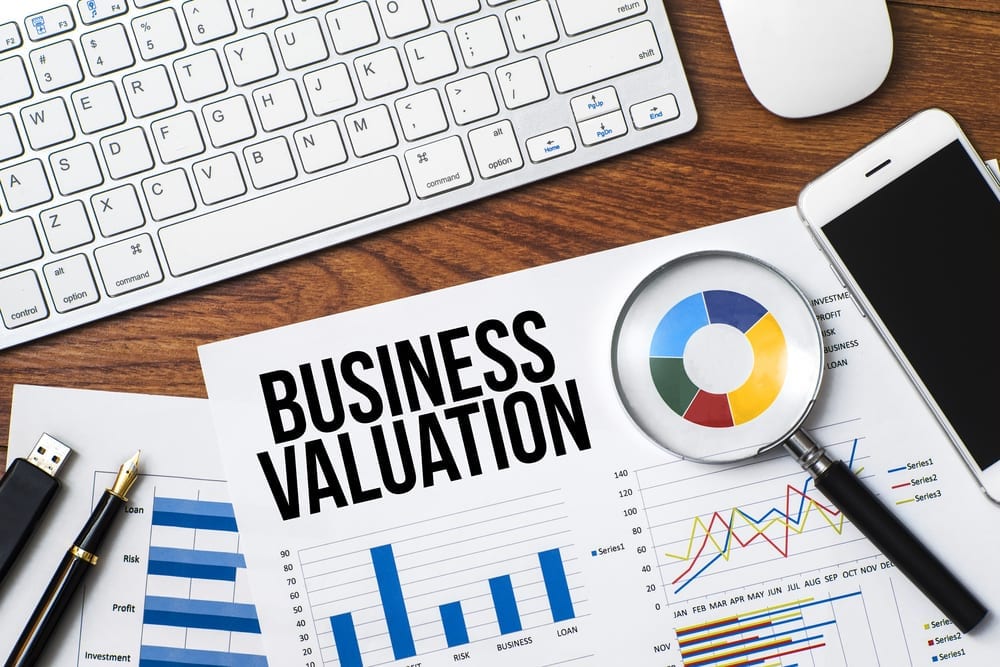
No single method suits every business. The most suitable approach depends on the company’s financial performance, assets, industry, and the purpose of the valuation.
- Earnings-based valuation: Estimates value by using sustainable earnings together with an appropriate market multiple. It is often considered for established, profitable businesses.
- Asset-based valuation: Assesses the value of business assets minus liabilities, with adjustments made where appropriate. This can be useful for asset-heavy businesses or in certain situations where earnings are limited.
- Market-based valuation: Draws on relevant comparable transactions to help establish a reasonable value range, where reliable data is available.
A professional may draw on more than one approach to build a balanced opinion of value. The resulting estimate should reflect the specific business rather than a generic industry formula.
Can A Business Valuation Tool Give You An Accurate Selling Price?
A Business Valuation Tool can offer a convenient starting point when you are exploring your options. A Free Online Business Valuation can help you start assessing your business’s potential worth without committing to a full advisory engagement.
However, an online estimate comes with limitations. It may not fully account for unusual financial adjustments, lease conditions, customer concentration, industry-specific risks, or the quality of your management team.
Hence, use an online estimate as a way to begin the conversation, not as a guaranteed selling price. For a more informed assessment, combine your financial information with advice from an experienced business broker and, where appropriate, your accountant or other professional advisers.
Selling A Small Business: How To Prepare For A Better Outcome

Once you understand your business’s potential value, preparation becomes your next advantage.
Organize your financial records, document key operating procedures, review contracts and lease terms, and identify any issues that could delay due diligence. Protect confidential information by sharing sensitive details only with suitably qualified prospective buyers through a controlled process.
Avoid basing your asking price only on your retirement plans, personal investment, or the amount you hope to get. Buyers assess the opportunity according to its financial performance, risks, and prospects.
Thus, partnering with an experienced business brokerage can help you position the business, reach qualified buyers, handle negotiations, and navigate the sale process. Ontario Commercial Group helps entrepreneurs buy and sell businesses, conduct acquisition searches, and explore commercial real estate and franchise opportunities.
How To Value A Small Business For Sale With Confidence

Understanding how to value a small business for sale gives you a stronger position for your next move. By reviewing your financial performance, understanding your assets and earnings, assessing market conditions, and preparing for buyer scrutiny, you can approach the process with greater clarity.
If you are considering listing a Business For Sale in Toronto or elsewhere in Ontario, begin with a realistic assessment instead of guesswork. Ontario Commercial Group provides a free online valuation resource and complimentary consultations to help business owners explore their options.
Visit Ontario Commercial Group to learn more or request a Free Online Business Valuation. With the right preparation and professional guidance, you can move toward your next chapter with confidence.